How to Plan Your First Day Hike in the UK: A Step-by-Step Beginner's Guide
Your first day hike is decided long before you pull on your boots. It comes down to four things: a route you can realistically finish, a forecast you have actually read, a small rucksack packed for the weather you might get, and one person at home who knows where you are. Sort those out and the walking itself takes care of the rest.
None of this needs expensive kit or years of experience. It needs about half an hour of planning the evening before, and the discipline to keep your first outing modest. Here is the order that works.
Choose a Route You Can Walk Out Of
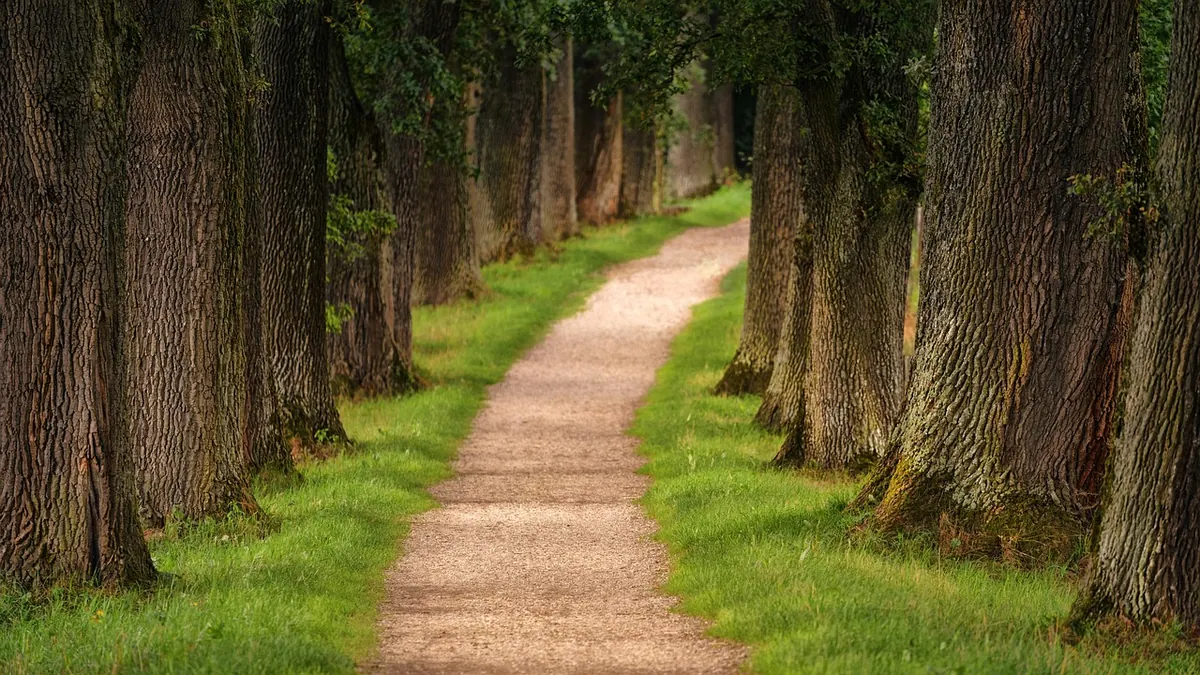
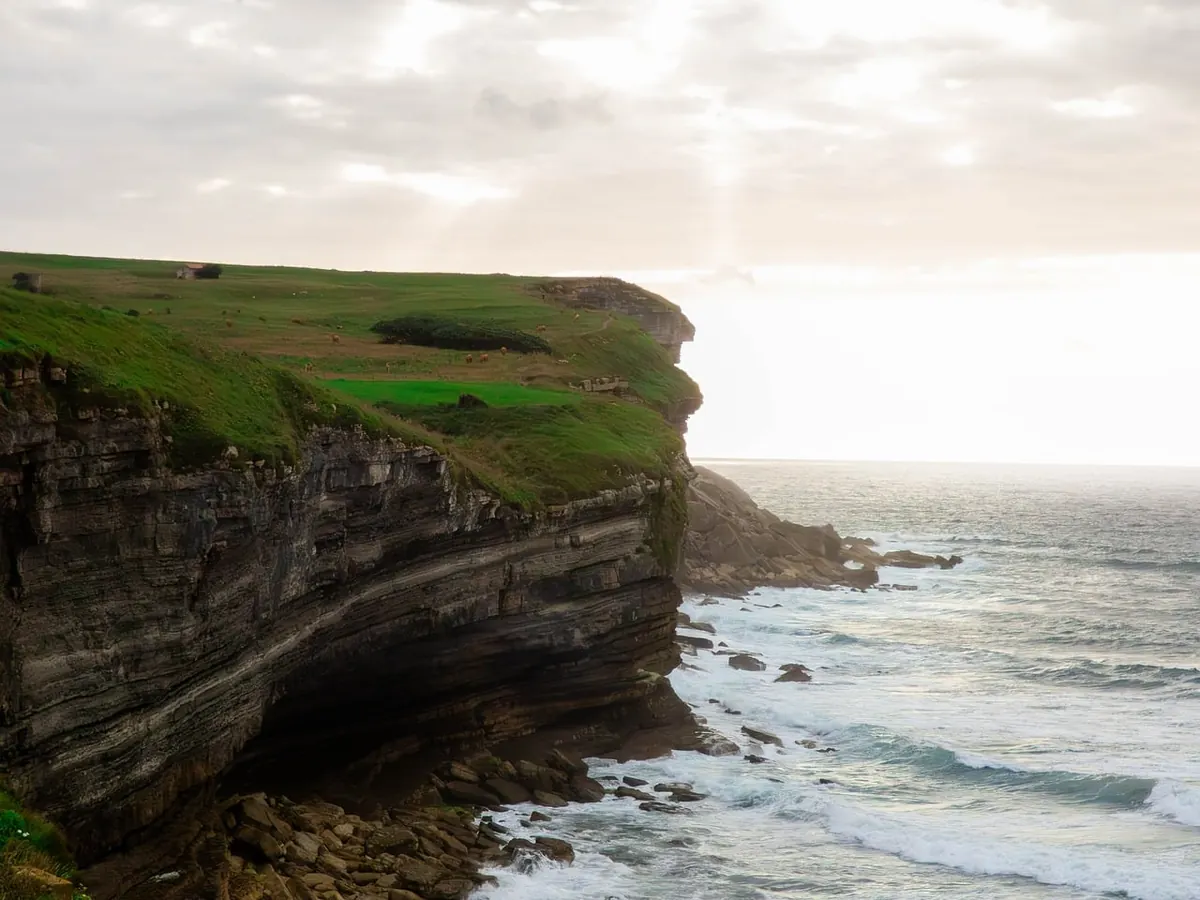
For a first day out, aim for roughly 5–8 km with under 300 m of ascent. That is two to three hours of walking at a relaxed pace, which leaves room for stops, photographs and the inevitable few minutes spent checking the map at the same gate twice. Flat-ish valley paths, waymarked trails, woodland circuits and gentle coastal routes are all good choices.
Places to find them:
- National park websites, which publish short waymarked routes with maps and directions
- Ordnance Survey maps and the OS Maps app, useful for checking what a route looks like on the ground
- National Trust, Forestry England and local council trail leaflets, often available at car parks
- Walkers are Welcome towns, which usually have printed routes starting from the village centre
Read the description properly, not just the distance
Look out for the words that tell you a route is harder than it looks: scramble, exposed, pathless, boggy, steep descent. Leave all of those for another year. What you want instead is a route with an easy way off it — a lower path back to the car park, a nearby village, a farm track.
Do a rough timing check
A workable rule of thumb is 3 km/h on easy ground, plus about a minute for every 10 m of ascent. So a 6 km walk with 200 m of climbing is around two and a half hours of moving time. Add an hour for stops, layers, snacks and navigation. Then work backwards from daylight: in midwinter it can be dark well before 5pm across much of the UK, so a late morning start on a three-hour route is cutting it fine.
Check the Weather Twice: The Night Before and Again in the Morning
The Met Office gives a solid general picture; the Mountain Weather Information Service covers the upland areas in more detail. Read the wind speed as carefully as the rain. A steady 40 mph wind on an exposed ridge is genuinely hard to walk in, even in sunshine. Check the cloud base too — if it is forecast below the summits, plan on navigating in mist.
A clear forecast for the town does not mean clear weather on the tops. Upland Britain can be several degrees colder than the valley, with wind chill on top of that. If the forecast turns poor, do not cancel the day — swap the plan. Drop to a valley walk, a forest trail or a canal towpath. You will enjoy it more and learn how the weather behaves.
Pack for the Weather You Might Get
Pack for the day you could get, not the one outside the window. A 20–25 litre rucksack is plenty.
- Waterproof jacket and trousers, even on a bright morning
- A spare warm layer, plus a hat and gloves — lightweight ones in summer
- 1–1.5 litres of water and more food than you think you need
- Paper map and compass, or a phone with offline maps downloaded plus a power bank. Ideally both: signal on UK hills is patchy at best
- Headtorch, with working batteries
- Small first aid kit, including blister plasters
- Sun cream and sunglasses
- Emergency blanket or survival bag, and a whistle
- A dry bag or plastic bag for the map and phone
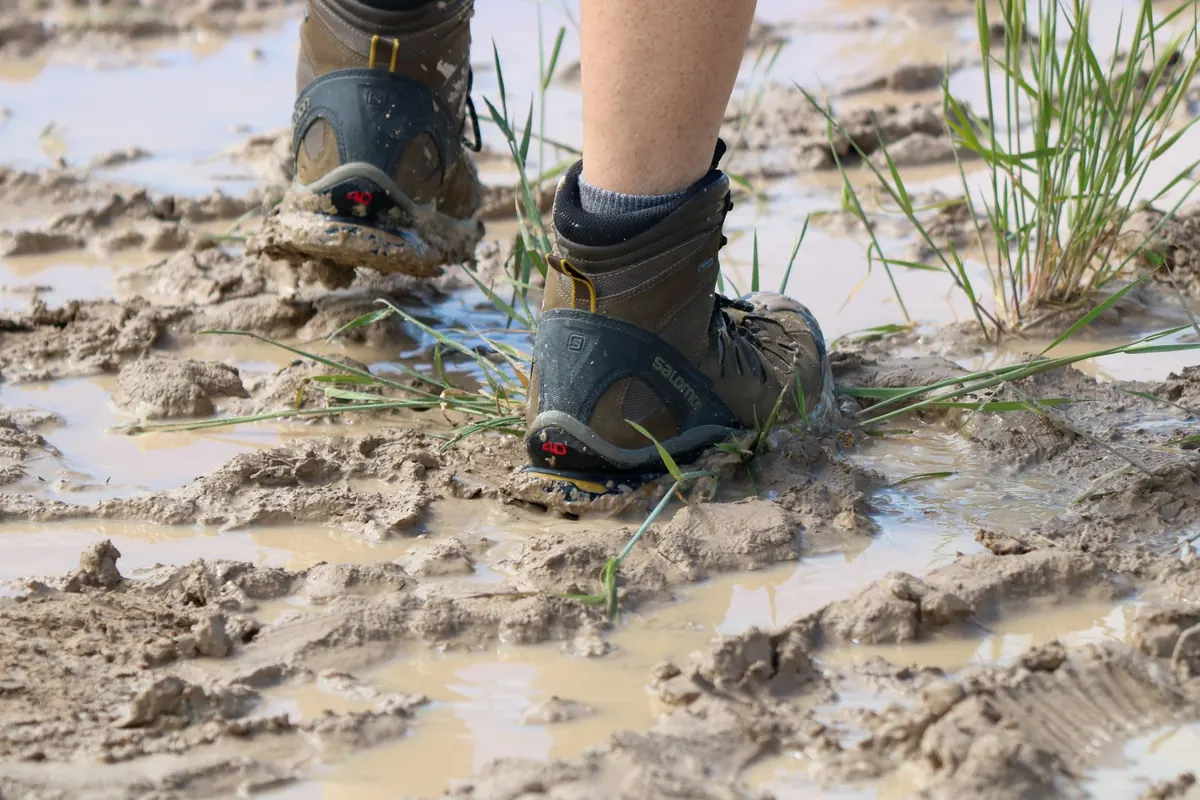
Wear boots or grippy trail shoes you have already worn in. Cotton jeans and a hoodie are the two worst choices for a hill day: cotton soaks up sweat and rain and then stops keeping you warm. Dress in layers — a thin base layer, a warm mid layer, a waterproof shell — and expect to add and remove them all day.
Tell Someone Where You're Going
This is the step beginners skip, and it is the one that matters most. A text message is enough. Include the route name, where you are starting and parking, your start time, when you expect to be back, who is with you, and what they should do if you are not back.
Agree a check-in time and make it specific: “If you haven't heard from me by 6pm, ring me. If I don't answer by 7pm, call 999 and ask for mountain rescue.” In the UK, 999 or 112 is the number; ask for the police, then for mountain rescue. If you have signal, sharing your live location is quicker than describing where you are.
Text again if you change the plan halfway round — even a one-line “running an hour late, all fine”. If you are walking alone, leave a written copy of your plans on the dashboard or with someone at home.
On the Day: Start Early, Eat Often, Turn Around in Time
Set off earlier than feels necessary. Eat a proper breakfast, snack roughly every hour and drink before you feel thirsty. Start slower than your natural pace for the first twenty minutes and let your body warm up.
Set a hard turnaround time based on daylight and energy, and stick to it. Turning back is a decision, not a failure. If mist comes down, either retrace your steps or take the lower route off that you already identified on the map.
Check the map at every junction while you are still confident, not once you are unsure. If you lose the path, walk back to the last point you definitely recognised rather than pressing on and hoping.
Keep the First One Small
A first hike is not a test. Pick something short and reasonably local, finish while you still have energy, and note what you would change next time — lighter rucksack, earlier start, better socks. Build up from there.
Two last things. Walking on uneven ground for a few hours is more tiring than it sounds, so if you have a heart condition, a joint problem or any other health concern, speak to your GP before you go. And if the route description is vague about difficulty, ask at a local outdoor shop or a walking group — they will usually know the path better than any website.
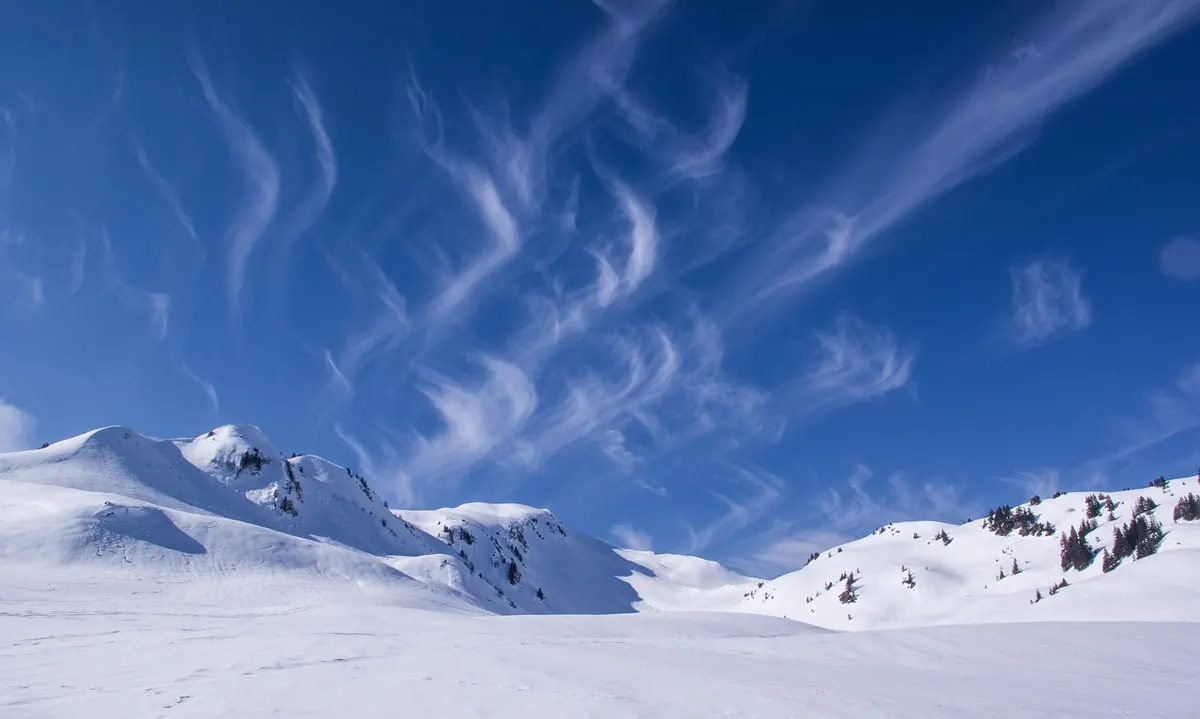
Photo: TheAndrasBarta / Pixabay
Three Days on the West Highland Way: Trip Report and Packing Tips
A three-day fastpack of the West Highland Way, with notes on where the pace fell apart and which kit...
A Winter Ascent of Snowdon: Trip Report and Lessons Learnt
A cold, clear winter day on Yr Wyddfa via the Llanberis Path, with the kit that earned its place and the...
About Us